


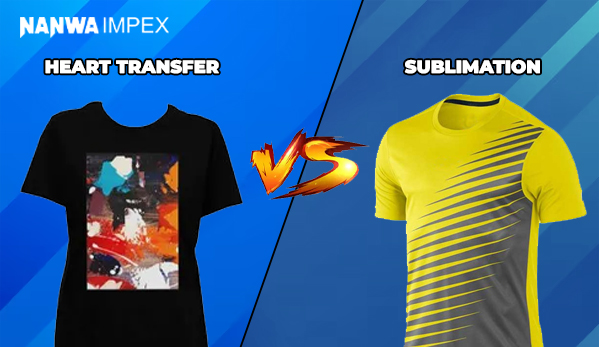
In the world of custom printing, two popular methods often spark debate among creators: sublimation and heat transfer paper. Both techniques allow you to create vibrant, custom designs on a variety of products, but they differ significantly in terms of process, materials, and results. Choosing the right method depends on your needs, budget, and the type of projects you’re working on. In this blog, we’ll explore the key differences, advantages, disadvantages, and best uses for sublimation and heat transfer paper to help you make an informed decision.
What is Sublimation Printing?
Sublimation printing is a technique that uses heat to transfer dye onto specially coated surfaces or polyester materials. Unlike traditional printing methods, sublimation works by turning solid ink into a gas without passing through the liquid phase. This process, known as sublimation, allows the dye to penetrate the surface of the material, creating vibrant and durable prints.
How Sublimation Works:
- The design is printed onto sublimation paper using sublimation ink.
- The printed paper is placed onto the substrate (e.g., a polyester T-shirt or a coated mug).
- Heat and pressure are applied using a heat press, causing the ink to transform into gas and bond with the substrate.
Key Features of Sublimation:
- Works best on white or light-colored polyester fabrics and coated items.
- Produces vibrant, high-resolution prints.
- Ink becomes part of the material, resulting in a smooth finish.
What is Heat Transfer Paper Printing?
Heat transfer paper printing involves transferring a design onto a surface using a combination of heat and pressure. Unlike sublimation, this method uses regular inkjet or laser printers with standard inks to print designs onto special heat transfer paper. The design is then transferred onto a substrate, such as a cotton T-shirt, using a heat press or iron.
How Heat Transfer Paper Works:
- The design is printed onto heat transfer paper using an inkjet or laser printer.
- The printed paper is placed onto the substrate.
- Heat and pressure are applied, causing the design to adhere to the surface of the material.
Key Features of Heat Transfer Paper:
- Works on a wider range of materials, including cotton, polyester, and blends.
- Suitable for both light and dark-colored fabrics (with specialized papers for dark colors).
- Creates a layer of film on top of the material.
Key Differences Between Sublimation and Heat Transfer Paper
While both methods involve transferring designs onto substrates, their processes, materials, and outcomes differ significantly. Here are the main distinctions:
| Aspect | Sublimation | Heat Transfer Paper |
|---|---|---|
| Suitable Materials | Polyester fabrics, coated items | Cotton, polyester, blends |
| Color Limitations | Best on white/light colors | Works on light and dark colors |
| Durability | Long-lasting, won’t crack or peel | May crack or peel over time |
| Feel of Print | Smooth, part of the material | Film-like layer on top of material |
| Equipment Needed | Sublimation printer, sublimation ink | Inkjet/laser printer, standard ink |
| Cost | Higher initial investment | Lower initial cost |
Advantages of Sublimation
- Durability: Sublimation prints are highly durable because the ink becomes part of the material. The design won’t crack, fade, or peel, even after repeated washing.
- Vibrant Colors: Sublimation produces vibrant, high-resolution prints with excellent color accuracy, making it ideal for detailed designs and photo printing.
- Smooth Finish: Since the ink penetrates the material, the prints have a smooth, seamless feel.
- Wide Range of Products: Sublimation is perfect for creating custom mugs, phone cases, mousepads, and other coated items in addition to apparel.
Disadvantages of Sublimation
- Material Limitations: Sublimation only works on polyester fabrics or specially coated surfaces, limiting its versatility.
- Color Restrictions: It’s best suited for white or light-colored substrates, as the ink is translucent and doesn’t show well on dark backgrounds.
- Higher Startup Costs: The initial investment in sublimation printers, inks, and substrates is higher compared to heat transfer paper.
Advantages of Heat Transfer Paper
- Versatility: Heat transfer paper works on a variety of materials, including cotton, polyester, and blends, and is suitable for both light and dark-colored fabrics.
- Lower Initial Cost: The equipment required is more affordable, as standard inkjet or laser printers can be used.
- Ease of Use: Heat transfer paper is beginner-friendly and doesn’t require specialized printers or inks.
- Creative Flexibility: It’s ideal for small-scale projects or designs with intricate details and multiple colors.
Disadvantages of Heat Transfer Paper
- Durability Issues: Heat transfer prints may crack, fade, or peel over time, especially after multiple washes.
- Feel of the Print: The transferred design sits on top of the material, creating a film-like texture that some people find less desirable.
- Limited Finish Options: While effective, the final product may not have the same professional appearance as sublimation prints.
Best Uses for Sublimation
Sublimation is ideal for projects where durability and vibrancy are top priorities. It’s commonly used for:
- Custom sportswear and jerseys made from polyester.
- Personalized mugs, coasters, and other coated gift items.
- High-quality photo printing on fabrics and hard surfaces.
Best Uses for Heat Transfer Paper
Heat transfer paper is a great choice for:
- Custom T-shirts, especially cotton or cotton-polyester blends.
- Small-batch printing for events, family reunions, or personal projects.
- Designs with bold, colorful artwork or text on dark fabrics.
Which Method Should You Choose?
The choice between sublimation and heat transfer paper depends on your specific needs:
- Choose Sublimation if:
- You’re working with polyester or coated products.
- You need long-lasting, vibrant prints.
- You’re focused on professional-grade results.
- Choose Heat Transfer Paper if:
- You’re working with cotton or dark-colored fabrics.
- You’re on a budget and prefer a lower initial investment.
- You need flexibility to print on various materials.
Conclusion
Sublimation and heat transfer paper are both excellent printing methods, each with its own strengths and limitations. Sublimation is the go-to choice for vibrant, durable prints on polyester and coated items, while heat transfer paper offers versatility and affordability for a wide range of materials. By understanding the differences and evaluating your specific needs, you can choose the method that best suits your projects and goals. Whichever method you choose, both offer exciting opportunities to bring your creative ideas to life.


